Integrating a Hydroelectric Power Plant into the Local Power Grid
Hydroelectric power plants are vital sources of renewable energy, utilizing the kinetic energy of flowing or falling water to generate electricity. To make this electricity usable for homes, businesses, and industries, the generated power must be integrated into the local power grid. This process involves several key steps to ensure safety, reliability, and efficiency.
1. Power Generation and Voltage Transformation
When water flows through a hydroelectric turbine, it spins a generator that produces electricity, usually at a medium voltage level (e.g., 10–20 kV). However, the voltage at this stage is not suitable for long-distance transmission or direct distribution to consumers. Therefore, the electricity is first sent to a step-up transformer, which increases the voltage to a higher level (e.g., 110 kV or more) for efficient transmission.
2. Grid Connection via Substations
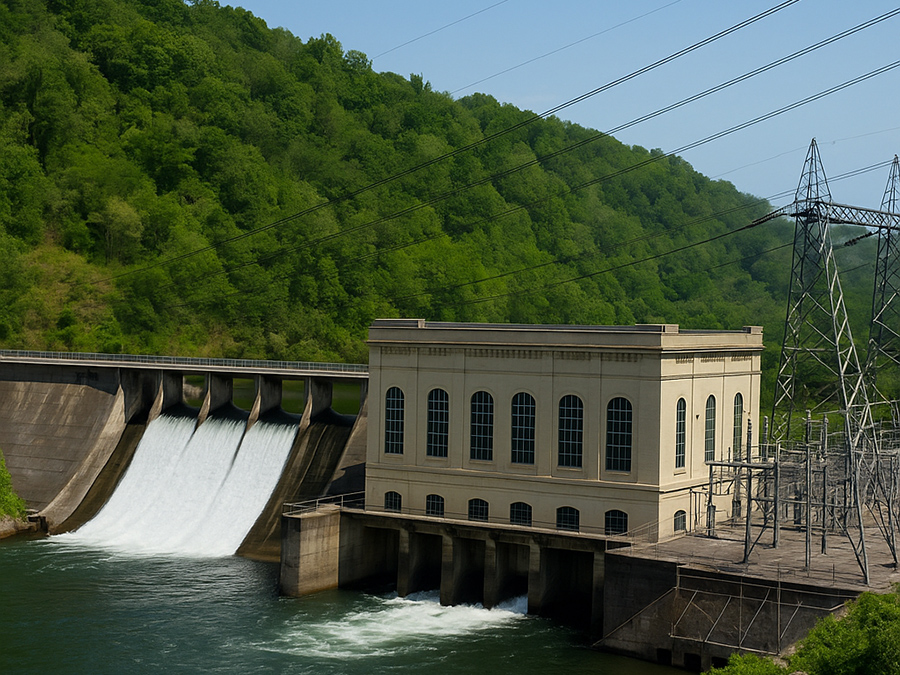
The high-voltage electricity is transmitted to a nearby substation, which acts as an interface between the hydro plant and the regional or local grid. At the substation, switchgear and protective relays monitor and control the flow of electricity. If the hydro plant is supplying power to a local grid, the voltage may be stepped down again using transformers before entering the distribution system.
3. Synchronization with the Grid
Before a hydroelectric plant can deliver power to the grid, its output must be synchronized with the grid’s voltage, frequency, and phase. This is a critical step, as any mismatch can cause instability or damage to the system. Synchronization is achieved using automated control systems that continuously monitor the grid and adjust the generator’s operation accordingly.
4. Load Balancing and Dispatch
Hydropower is often used for load balancing due to its flexibility and rapid response time. Grid operators dispatch hydroelectric power according to demand, allowing it to complement intermittent sources like wind and solar. Real-time communication between the plant and the grid control center ensures optimal load sharing and grid stability.
5. Protection and Monitoring Systems
To prevent faults or failures, both the plant and the grid are equipped with advanced monitoring and protection systems. These include circuit breakers, voltage regulators, and SCADA (Supervisory Control and Data Acquisition) systems. In the event of a fault, these systems can isolate affected sections and prevent cascading failures.
Conclusion
Integrating a hydroelectric power plant into the local grid is a complex but essential process for delivering clean energy to communities. By carefully managing voltage levels, synchronization, and system protection, hydroelectric plants can play a reliable and sustainable role in the modern energy mix.
Post time: May-12-2025
