In recent years, Chile and Peru have faced ongoing challenges related to energy supply, particularly in rural and remote regions where access to the national grid remains limited or unreliable. While both countries have made significant strides in renewable energy development, including solar and wind, micro-hydropower offers a promising, yet underutilized, solution to meet local energy needs sustainably and efficiently.
What is Micro-Hydropower?
Micro-hydropower refers to small-scale hydroelectric systems that typically generate up to 100 kilowatts (kW) of electricity. Unlike large dams, micro-hydro systems do not require massive infrastructure or large water reservoirs. Instead, they use the natural flow of rivers or streams to drive turbines and generate electricity. These systems can be installed near communities, farms, or industrial sites, offering decentralized and reliable energy access.
The Electricity Challenge in Chile and Peru
Both Chile and Peru have regions characterized by mountainous terrain and dispersed populations, making it difficult and costly to extend the national electricity grid. Despite government efforts to improve rural electrification, some communities still experience frequent power outages or rely on diesel generators, which are both expensive and environmentally harmful.
In Chile, especially in southern regions like Araucanía and Los Ríos, rural communities often depend on wood-burning or diesel for energy. Similarly, in the Andean highlands of Peru, many villages are located far from centralized energy infrastructure. These conditions underscore the need for localized, renewable energy solutions.
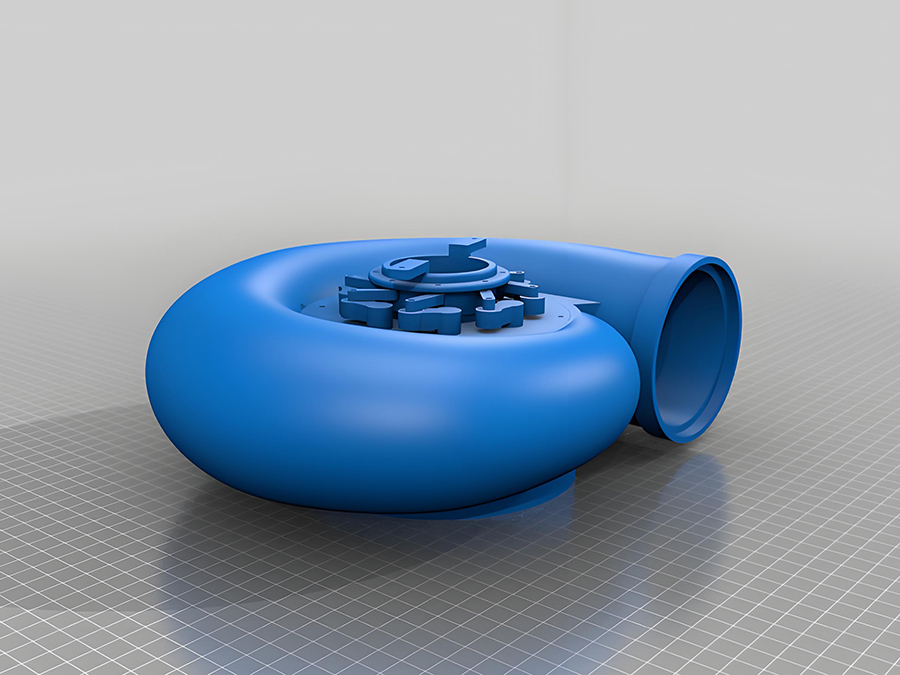
Advantages of Micro-Hydropower for Chile and Peru
Abundant Water Resources: Both countries have numerous rivers, streams, and high-altitude watercourses suitable for small-scale hydro projects, particularly in the Andes.
Low Environmental Impact: Micro-hydro systems do not require large dams or disrupt ecosystems significantly. They can operate using existing water flows with minimal intervention.
Cost-Effective and Reliable: After installation, micro-hydro plants offer low operational costs and long-term reliability, often providing power 24/7 unlike solar or wind which are intermittent.
Energy Independence: Communities can generate their own electricity locally, reducing dependence on diesel fuel or distant power grids.
Social and Economic Benefits: Access to reliable electricity can improve education, healthcare, agricultural processing, and small business operations in underserved areas.
Successful Examples and Future Potential
In both countries, pilot projects have already demonstrated the viability of micro-hydropower. For example:
Chile has implemented rural electrification programs incorporating micro-hydro in Mapuche communities, empowering them with energy autonomy and promoting sustainable development.
Peru has supported community-led micro-hydro installations through partnerships with NGOs and international organizations, enabling access to electricity for thousands of households in the Andes.
Scaling up these efforts through supportive policies, financing mechanisms, and local capacity-building can significantly enhance their impact. By integrating micro-hydro with other renewables like solar, hybrid systems can be developed to ensure even greater energy security.
Conclusion
Micro-hydropower represents a practical and sustainable solution to help Chile and Peru overcome electricity shortages, especially in remote and mountainous regions. With proper investment and community involvement, these small-scale systems can play a vital role in achieving energy equity and fostering resilient, low-carbon development across the region.
Post time: May-09-2025
