As the global energy sector transitions toward cleaner, more sustainable power sources, the integration of hydropower and energy storage systems (ESS) is emerging as a powerful strategy. Both technologies play crucial roles in enhancing grid stability, improving energy efficiency, and supporting the growth of intermittent renewable sources like solar and wind. When combined, hydropower and energy storage can create a more resilient, flexible, and reliable energy system.
Hydropower: A Proven, Flexible Renewable Energy Source
Hydropower has long been a cornerstone of renewable energy production. It offers several key benefits:
Stable Base Load Supply: Hydropower provides continuous and reliable electricity generation, which is essential for meeting base load demands.
Fast Response Capability: Hydroelectric plants can quickly ramp up or down in response to fluctuations in demand, making them ideal for balancing the grid.
Long Lifespan and Low Operating Costs: With proper maintenance, hydroelectric facilities can operate for decades, offering consistent performance with low marginal costs.
However, hydropower can be influenced by seasonal changes in water availability, and it requires significant infrastructure investment and suitable geographic conditions.
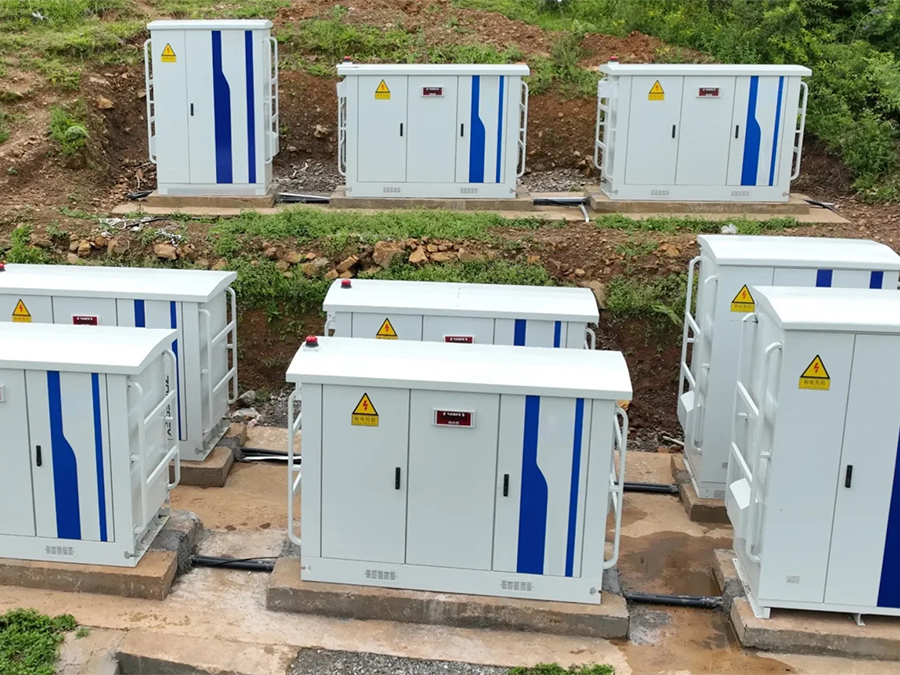
Energy Storage Systems: Enabling Grid Flexibility
Energy storage systems, particularly battery storage, offer a range of capabilities that complement hydropower:
Grid Stability: ESS can respond to grid frequency and voltage fluctuations in milliseconds, enhancing overall system stability.
Renewable Energy Integration: Storage allows excess electricity from solar or wind to be stored and used when production is low, addressing intermittency issues.
Peak Shaving and Load Shifting: By storing energy during off-peak hours and releasing it during peak demand, ESS helps reduce strain on the grid and lower energy costs.
Despite their flexibility, energy storage systems alone may have limitations in capacity and duration, especially for long-term or seasonal storage.
A Perfect Pair: Synergy Between Hydropower and ESS
When combined, hydropower and energy storage form a mutually reinforcing partnership. Their complementary characteristics offer several strategic advantages:
1. Enhanced Grid Reliability and Resilience
Hydropower provides a steady, renewable base supply, while ESS handles fast, short-term fluctuations. Together, they create a multi-timescale balancing capability that supports a stable power grid under variable load conditions.
2. Efficient Use of Renewable Energy
Storage systems can absorb excess hydropower generation during low demand periods, preventing water spillage and maximizing energy use. Conversely, during periods of low water availability, stored energy can supplement supply without compromising reliability.
3. Support for Remote or Isolated Grids
In off-grid or remote areas, combining hydropower and storage ensures continuous power even when water flow is insufficient or intermittent. This hybrid setup can reduce reliance on diesel generators and lower carbon emissions.
4. Pumped Storage Hydropower: The Best of Both Worlds
Pumped storage hydro is a natural fusion of both technologies. It stores excess electricity by pumping water to an upper reservoir and releases it to generate electricity when needed—essentially acting as a large-scale, long-duration energy storage solution.
Conclusion
The integration of hydropower and energy storage systems is a forward-looking approach to building a cleaner, more reliable energy future. While hydropower provides stability and long-term generation, storage systems add flexibility and precision. Together, they offer a complementary solution that enhances energy security, supports renewable integration, and accelerates the transition to a low-carbon power grid.
Post time: May-22-2025
