Access to reliable electricity remains a significant challenge in many mountainous regions around the world. These areas often suffer from limited infrastructure, harsh terrain, and high costs of connecting to national power grids. However, small hydropower plants (SHPs) offer an efficient, sustainable, and cost-effective solution to this problem.
What Are Small Hydropower Plants?
Small hydropower plants typically generate power from flowing rivers or streams, using turbines to convert the kinetic energy of water into electricity. With capacities ranging from a few kilowatts to several megawatts, SHPs are designed for local use and can be installed near remote villages, mountain lodges, or isolated farms.
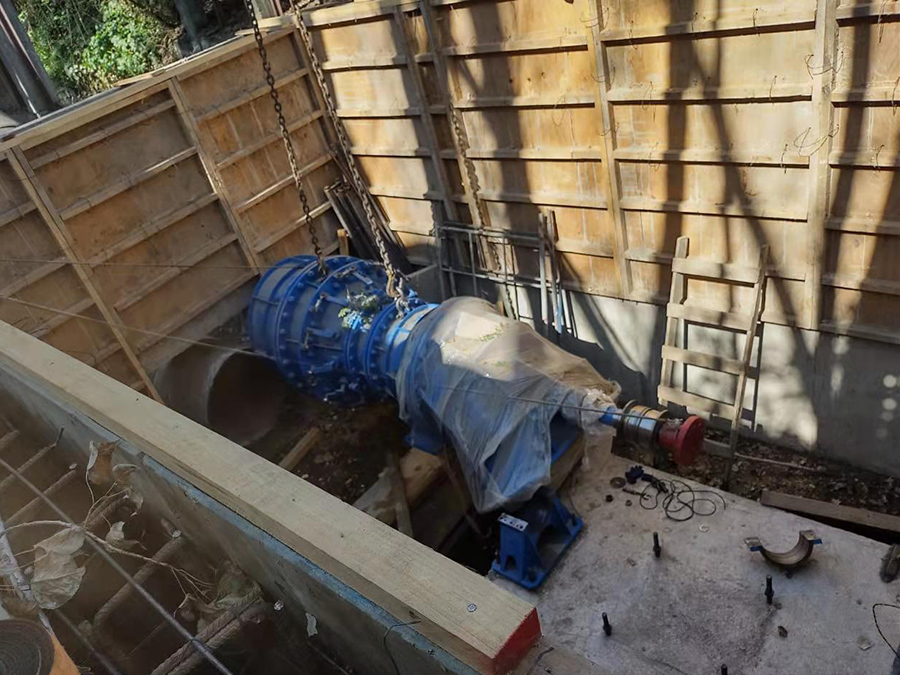
Why SHPs Are Ideal for Mountain Areas
-
Abundant Water Resources
Mountain regions often have abundant and consistent water sources, such as rivers, creeks, and snowmelt. These water sources provide the perfect conditions for SHPs to operate year-round. -
Eco-Friendly and Sustainable
SHPs have minimal environmental impact. Unlike large dams, they do not require massive reservoirs or cause significant changes to ecosystems. They produce clean, renewable energy without greenhouse gas emissions. -
Low Operation and Maintenance Costs
Once installed, SHPs require minimal maintenance and have long lifespans. Local communities can often be trained to operate and maintain the system themselves. -
Improved Quality of Life
Access to electricity allows for lighting, heating, refrigeration, and communication. It also supports education, healthcare, and small industries, boosting local economies and reducing poverty. -
Energy Independence
SHPs reduce dependency on diesel generators or unreliable grid connections. Communities gain energy independence and resilience, especially important in disaster-prone or politically unstable areas.
Real-World Applications
In countries like Nepal, Peru, China, and parts of Africa, small hydropower has already transformed thousands of mountain communities. It has enabled the growth of cottage industries, extended study hours for children, and improved overall living standards.
Conclusion
Small hydropower plants are more than just an energy solution—they are a pathway to sustainable development in mountainous areas. By harnessing the natural power of water, we can illuminate lives, foster growth, and build a more resilient future for remote communities.
Post time: Jun-20-2025
