Planning steps and precautions for micro hydropower plants
I. Planning steps
1. Preliminary investigation and feasibility analysis
Investigate the river or water source (water flow, head height, seasonal changes)
Study the surrounding terrain and confirm whether the geological conditions are suitable for construction
Preliminary estimate of power generation potential (formula: power P = 9.81 × flow Q × head H × efficiency η)
Evaluate the economic feasibility of the project (cost, profit cycle, return on investment)
2. On-site survey
Accurately measure the actual flow and the lowest flow in the dry season
Confirm the head height and available drop
Investigate construction traffic conditions and material transportation convenience
3. Design stage
Select the appropriate turbine type (such as: cross-flow, diagonal flow, impact, etc.)
Design the water inlet, water diversion channel, pressure pipeline, generator room
Plan the power output line (grid-connected or independent power supply?)
Determine the automation level of the control system
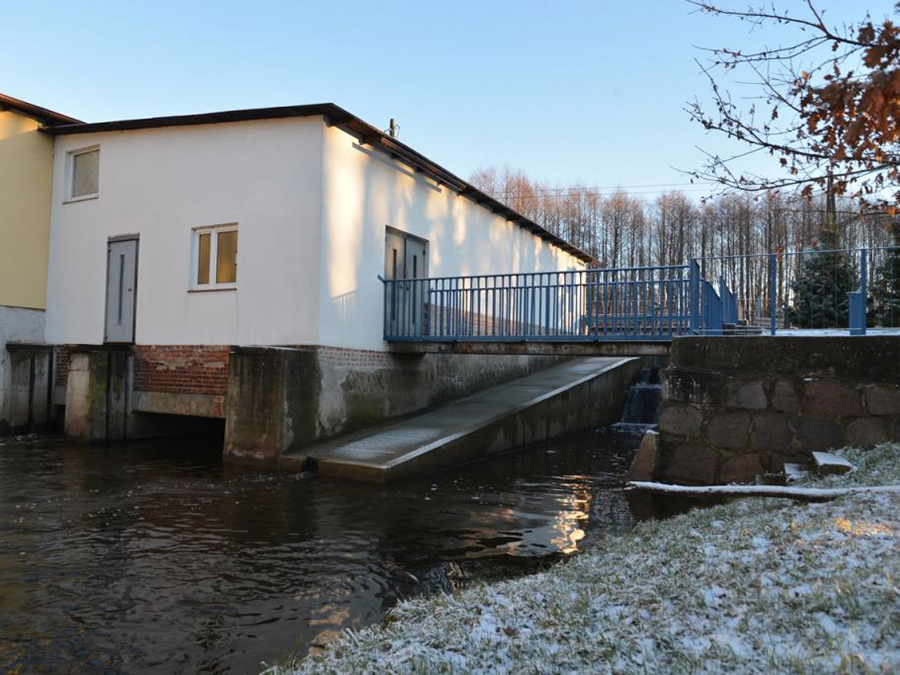
4. Environmental impact assessment
Assess the impact on the ecological environment (aquatic organisms, river ecology)
Design necessary mitigation measures (such as fishways, ecological water release)
5. Handle approval procedures
Need to comply with national/local laws and regulations on water resource utilization, power production, environmental protection, etc.
Submit feasibility study report and design drawings, and apply for relevant licenses (such as water withdrawal license, construction license)
6. Construction and installation
Civil engineering: construction of water dams, water diversion channels, and plant buildings
Electromechanical installation: turbines, generators, control systems
Power transmission and distribution systems: transformers, grid-connected facilities or distribution networks
7. Trial operation and commissioning
Equipment single-machine testing, linkage testing
Ensure that various indicators (voltage, frequency, output) meet design requirements
8. Formal commissioning and maintenance
Record operation data
Develop regular inspection and maintenance plans
Timely handle faults to ensure long-term stable operation
II. Precautions
Category Precautions
Technical aspects – Equipment selection matches actual flow head
- Consider the dry season to ensure basic operation
- Equipment efficiency and reliability are prioritized
Regulatory aspects – Water access rights and construction approval must be obtained
- Understand the local power grid connection policy
Economic aspect – The investment payback period is generally 5 to 10 years
- Low maintenance cost equipment is preferred for small projects
Environmental aspect – Ensure ecological base flow, and do not completely intercept it
- Avoid damage to aquatic ecosystems
Safety aspect – Flood and debris flow prevention design
- Safety guardrails are installed in the plant area and water inlet facilities
Operation and maintenance aspect – Reserve space for easy maintenance
- High degree of automation can reduce manual duty costs
Tips
Post time: Apr-28-2025
