Amid the global drive for sustainable development and green energy, hydropower has emerged as a vital pillar of the global energy mix, thanks to its clean, renewable, and efficient nature. As the core driving force behind this green energy source, hydropower technology is advancing at an unprecedented pace, spearheading the transformation and upgrading of the energy industry.
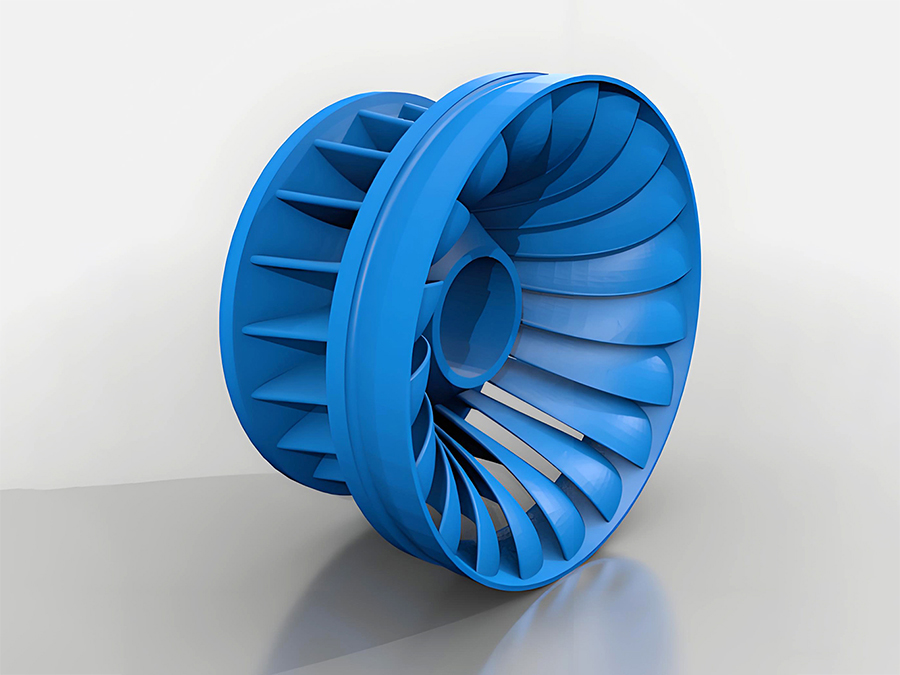
The fundamental principle of hydropower involves harnessing the hydraulic head—the difference in water levels—to perform work, thereby converting the potential energy stored in rivers, lakes, or oceans into electrical energy. Hydraulic turbines play a pivotal role in this process, converting the kinetic energy of flowing water into mechanical energy, which in turn drives generators to produce electricity. Technological progress has led to continuous optimization of turbine designs; from traditional mixed-flow and axial-flow types to more advanced impulse and bulb-type (tubular) turbines, each design represents an innovation or breakthrough in the field. Notably, my country has made significant strides in hydropower equipment manufacturing in recent years; for instance, the independently developed 500-megawatt impulse turbine distributor manifold by Harbin Electric Corporation marks the country’s achievement of a world-leading position in hydropower technology.
Beyond turbine innovation, hydropower relies on intelligent monitoring systems and automation technologies. The application of these high-tech solutions not only enhances the power generation efficiency and operational safety of hydropower plants but also reduces maintenance costs. Advanced monitoring systems enable real-time tracking of turbine and generator performance, allowing for the timely detection and resolution of potential issues to ensure efficient and stable plant operation. Meanwhile, automation technologies streamline operations such as unit startup, shutdown, and load adjustment, thereby boosting the industry’s overall competitiveness and level of development.
The hydropower industry comprises a complete value chain: upstream equipment manufacturing, midstream hydropower plant construction and operation, and downstream power sales and end-user consumption. Technological innovation in the upstream equipment manufacturing sector continuously drives improvements in power generation efficiency. The construction and operation of midstream hydropower plants require the participation of large- and medium-sized engineering enterprises—possessing strong financial backing and mature technical systems—to ensure smooth project implementation and efficient operation. Meanwhile, the downstream sectors of electricity sales and consumption rely on stable power supplies and robust grid infrastructure to meet the needs of a vast consumer base.
It is worth noting that hydropower plays a pivotal role in fostering sustainable energy development and reducing greenhouse gas emissions. As a clean energy source, hydropower involves no chemical reactions, fuel consumption, or emission of harmful substances during its development and conversion into electricity, resulting in no environmental pollution. Driven by rising global environmental awareness and the growing demand for sustainable energy, the hydropower market continues to expand, offering broad prospects for future development.
Hydropower technology serves not only as a vital pillar of green energy but also as a key driver of transformation and upgrading within the energy industry. Looking ahead, fueled by continuous technological advancements and sustained policy support, hydropower is poised to play an increasingly significant role in the global energy mix, contributing further to the sustainable development of human society.
Post time: Oct-14-2026
