As the demand for clean and decentralized energy grows, micro hydropower is becoming a viable and sustainable option for rural electrification and off-grid communities. A 150kW micro hydropower plant is an ideal size for powering small villages, agricultural operations, or remote industries. This article outlines the key steps involved in planning, designing, and implementing such a project.
1. Site Selection and Feasibility Study
The first and most crucial step is identifying a suitable site. The power output of a hydro plant depends on water flow (Q) and head height (H).
Key factors to assess:
Head: Vertical distance the water falls (preferably 10–50 meters for a Francis turbine).
Flow rate: Consistent year-round water supply.
Environmental impact: Ensure minimal disruption to ecosystems.
Accessibility: Transport of equipment and ease of maintenance.
A hydrological study and energy demand assessment are essential to determine if the site can consistently deliver 150kW of power.
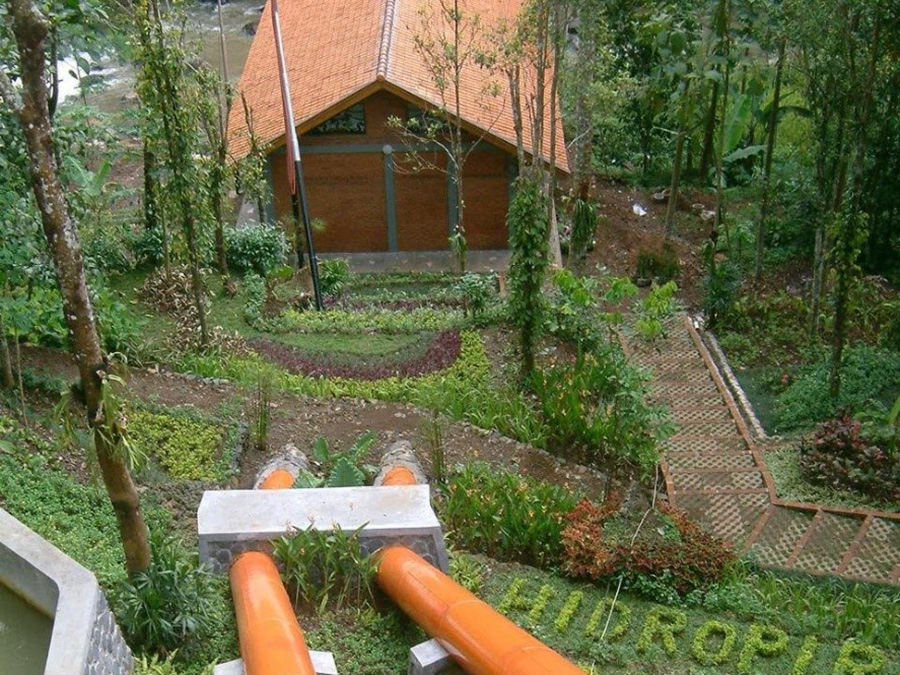
2. System Design and Components
Once feasibility is confirmed, the system needs to be engineered with the following components:
Core Equipment:
Water intake: Screens debris and diverts flow from river or stream.
Penstock: High-pressure pipe carrying water to the turbine.
Turbine: A 150kW Francis turbine is ideal for medium head and variable flow.
Generator: Converts mechanical energy into electricity.
Control system: Manages voltage, frequency, and load.
Tailrace: Returns water to the river.
Optional additions include a synchronization system (for grid connection) or batteries/inverters (for hybrid or off-grid setups).
3. Civil and Electrical Works
Civil Construction:
Excavation and concrete works for the powerhouse, intake, and water channels.
Installation of the penstock pipe and foundation for the turbine.
Electrical Installation:
Wiring of the generator, transformer (if needed), protection devices, and transmission lines to the load center.
Installation of remote monitoring and automation systems if desired.
4. Procurement and Logistics
Procure all mechanical and electrical equipment from reputable manufacturers. Ensure compatibility between turbine and generator specifications. Transportation to the site can be challenging, especially in remote areas, so plan logistics carefully.
5. Installation and Commissioning
Assemble and install the turbine, generator, and control systems in the powerhouse.
Test the system step-by-step: mechanical alignment, electrical connections, water flow tests.
Perform trial runs and load testing before full commissioning.
6. Operation and Maintenance
Routine tasks include:
Checking for sediment and debris in the intake.
Monitoring bearings, lubrication, and control systems.
Regular load performance checks.
Training local operators to manage and troubleshoot the system.
7. Licensing and Community Engagement
Obtain required permits and approvals from local authorities.
Involve the local community throughout the project to ensure acceptance and sustainability.
Create a governance model for revenue use or community energy sharing, especially for shared systems.
Conclusion
A 150kW micro hydropower plant is a practical solution for clean, independent, and long-term energy generation. With proper site selection, quality equipment, and skilled implementation, such a project can operate reliably for over 30 years, making it a smart investment in sustainable development.
Post time: May-29-2025
