A diversion-type hydropower station is a type of hydroelectric power plant that utilizes artificially constructed water diversion structures (such as canals, tunnels, and pressure pipelines) to concentrate the natural elevation difference between the upstream and downstream sections of a river, thereby generating electricity.
Main Components:
Intake Structure:
Located in the upstream section of the river. It includes a low dam or weir to intercept the river water and divert it into the water diversion channel.
It is equipped with an intake, trash rack, and sedimentation basin to remove debris and sediment, protecting subsequent equipment.
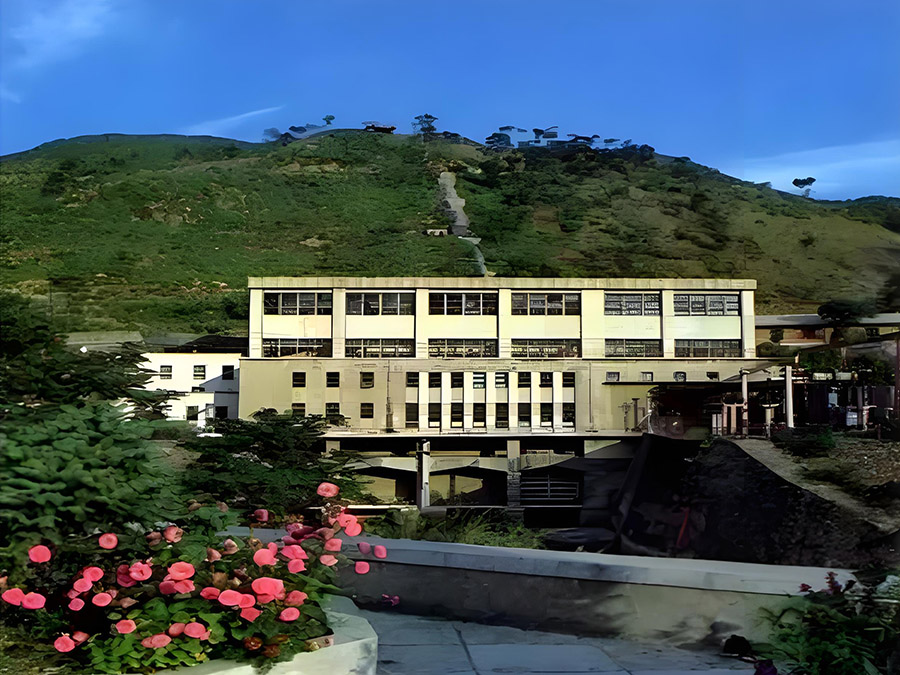
Water Diversion Pipeline:
This is the “artery” of the hydropower station. It can be an open channel, non-pressure tunnel, pressure tunnel, or pipeline.
Its function is to transport water from the intake structure over a long distance to the power plant downstream, along the mountain slope with a relatively small gradient.
Pressure Forebay/Surge Tank:
Pressure Forebay: Located at the end of the open channel, it is a transitional structure connecting the non-pressure water diversion channel and the pressure pipeline, serving to stabilize the water flow, further settle sediment, and provide overflow discharge.
Surge Tank: In long pressure tunnel systems, a vertical shaft or tower is installed to reduce water hammer pressure; it acts as a buffer between the water diversion system and the pressure pipeline.
Pressure Pipeline:
A closed pipeline laid steeply downhill from the pressure forebay or surge tank, directing the water flow at high speed to the turbine. The large elevation difference is converted into water pressure energy here.
Powerhouse:
Located downstream of the river, far from the intake structure. It houses the turbine, generator, and control system. The high-pressure water flow rotates the turbine, which drives the generator to produce electricity.
Tailrace:
After power generation, the water flows smoothly back into the original river channel through the tailrace.
Main Advantages:
Full utilization of natural elevation difference: Particularly suitable for construction on mountainous rivers with high slopes and relatively small flow rates, allowing for the economical acquisition of a high head (elevation difference).
Small reservoir inundation: Usually only low dams are built, resulting in minimal land inundation and displacement of residents, with relatively little impact on the ecological environment and people’s lives.
Relatively flexible investment: The length and diameter of the water diversion line can be constructed in phases according to the topography and available funds.
Minimal alteration of the river’s natural flow: The river channel downstream of the intake (until the tailrace discharge point) may experience reduced flow or even drying up, but this can be mitigated by releasing ecological flow. Main Disadvantages:
Highly susceptible to natural runoff fluctuations: Due to limited reservoir capacity, power generation output directly depends on the natural water flow of the river, resulting in unstable power generation during wet and dry seasons.
Presence of “reduced flow sections”: The original river channel between the water intake and the power plant will experience a significant reduction in water flow, or even dry up, potentially impacting the riparian ecosystem and landscape.
High geological requirements: Long-distance diversion tunnels need to traverse complex mountainous terrain, leading to higher geological risks (landslides, water ingress) during construction.
Slightly poorer operational flexibility: Compared to large reservoir power plants, its ability to respond quickly to changes in grid load is weaker.
Application Scenarios:
Small and medium-sized rivers in mountainous areas, especially river sections with steep gradients and natural bends (where significant head can be obtained through channel straightening).
As one stage in a cascade hydropower development.
In areas with high environmental protection requirements where large-scale flooding is not permitted.
Post time: Dec-19-2025
