Small hydropower, typically defined as plants with a capacity of up to 10 megawatts (MW), is emerging as a critical player in the global transition to a cleaner and more resilient energy system. Its ability to provide stable, low-carbon power makes it uniquely valuable for both grid support and rural electrification. This article explores the key drivers, innovations, challenges, and future outlook for this time-tested yet evolving renewable technology.
Unlike variable sources like solar and wind, small hydropower plants can operate 24 hours a day, offering a stable and reliable electricity supply. This characteristic of “baseload” renewable energy is crucial for strengthening energy resilience and diversity. Globally, governments are turning to small hydropower to meet carbon reduction targets and enhance energy security. For instance, the US Department of Agriculture has allocated significant funds for new small hydropower projects in rural Kentucky, supporting economic decarbonization efforts.
Its role is particularly vital in rural and remote areas. Small hydropower projects provide a decentralized energy solution, improving electricity access and supporting local economic development without requiring massive investment in long-distance grid infrastructure. Projects in Kyrgyzstan and Nigeria exemplify how it tackles energy poverty and fosters sustainable growth.
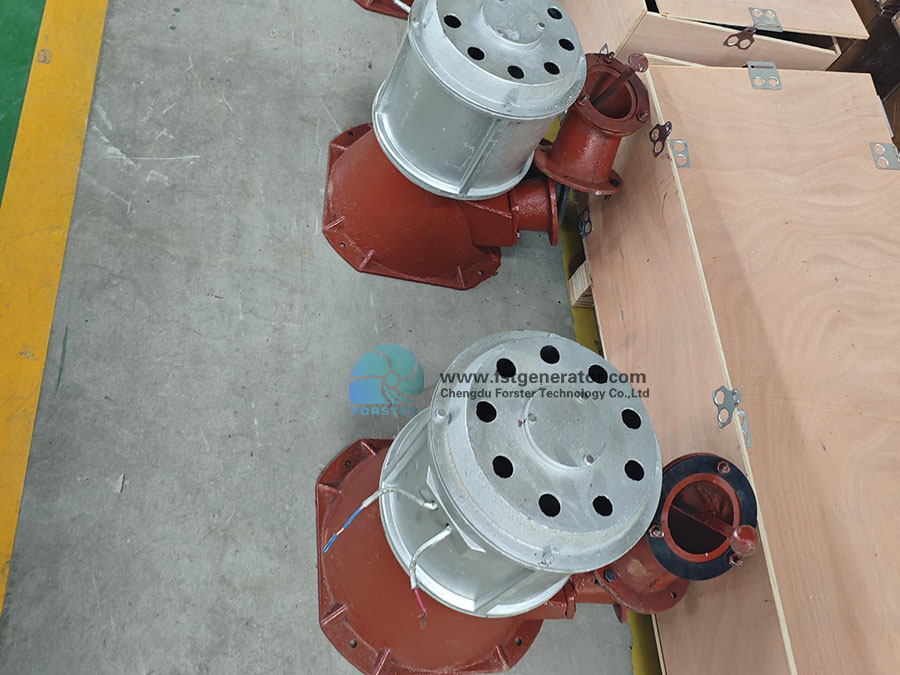
The future of small hydropower lies in increasing efficiency and minimizing environmental footprint through technological and managerial innovation.
Technological Advancements: The installation of advanced turbines, like the 2.2 MW Pelton turbine in Japan, demonstrates how innovation boosts capacity. The core of modernization is the shift toward intelligent systems. Retrofitting plants with smart sensors and remote monitoring enables automatic operation, optimized water use, and “unmanned” management.
The “Three Transformations” Model (China): A comprehensive upgrade path involving Intelligent Transformation, Intensive Operation, and Property-style Management is proving highly effective. This model integrates scattered plants into centralized control platforms operated by professional teams.
Results: Post-transformation, plants report water resource utilization increases of 3-20%, a 10-50% rise in profits from reduced costs and higher output, and a significant drop in equipment failure rates. Case studies show investments can be recouped within 2-4 years.
Policy Incentives for Green Upgrades: Regions are creating positive feedback loops. Fujian Province has introduced a supportive policy where small hydropower stations certified as “green demonstration plants” will receive an additional ¥0.01 per kWh on their feed-in tariff starting in 2026.
Despite its promise, the sector’s expansion is not without significant hurdles that must be carefully managed.
Environmental and Ecological Concerns: The primary ecological risk involves altering river flows. Diverting too much water for power generation can degrade habitats, affect water temperature, and block fish migration, harming biodiversity. Projects must therefore conduct thorough ecological assessments and integrate mitigation measures like ensuring minimum “ecological flows”.
Regulatory and Siting Complexities: The regulatory process for permits, involving multiple government levels and environmental impact assessments, can be lengthy and costly, deterring developers. In Taiwan (China), challenges also include difficult site conditions (fast rivers with high sediment) and a lack of localized, cost-effective equipment. Experts emphasize the need for domestic manufacturing of turbine units and standardized modular designs to reduce the currently high upfront costs.
Community Engagement and Benefit Sharing: Successful projects increasingly require early and transparent communication with local communities. In Taiwan (China), some community-led “citizen power plant” initiatives have faced obstacles in licensing and funding, highlighting the need for supportive policies that allow local populations to participate in and benefit from the projects.
Post time: Dec-08-2025
