Electric generators, which convert mechanical energy into electrical energy, are fundamental to modern infrastructure. Their manufacturing involves precision engineering and advanced technologies to ensure efficiency, reliability, and longevity. This article outlines the key production technologies and processes in contemporary generator manufacturing.
Core Components and Materials
The main components of a typical AC generator include the stator (stationary part), rotor (rotating part), bearings, and housing. Manufacturing begins with high-quality materials:
Laminations: The stator and rotor cores are built from thin, insulated electrical steel laminations (often silicon steel) to reduce eddy current losses. These are precisely stamped using progressive die systems.
Windings: Copper or aluminum conductors, insulated with polymer films (e.g., polyimide), are used for coils. High-voltage generators require superior insulation systems, often involving vacuum pressure impregnation (VPI) with epoxy or polyester resins.
Rotor Forging: For large generators, rotor shafts are forged from high-strength alloy steel and machined to exact tolerances.
Key Manufacturing Processes
1. Stator and Rotor Core Assembly
Laminations are stacked and bonded under high pressure using robotic systems to ensure perfect alignment. Keyhole or dovetail slots are integrated to hold windings. Automated vision systems inspect for burrs or insulation defects that could affect performance.
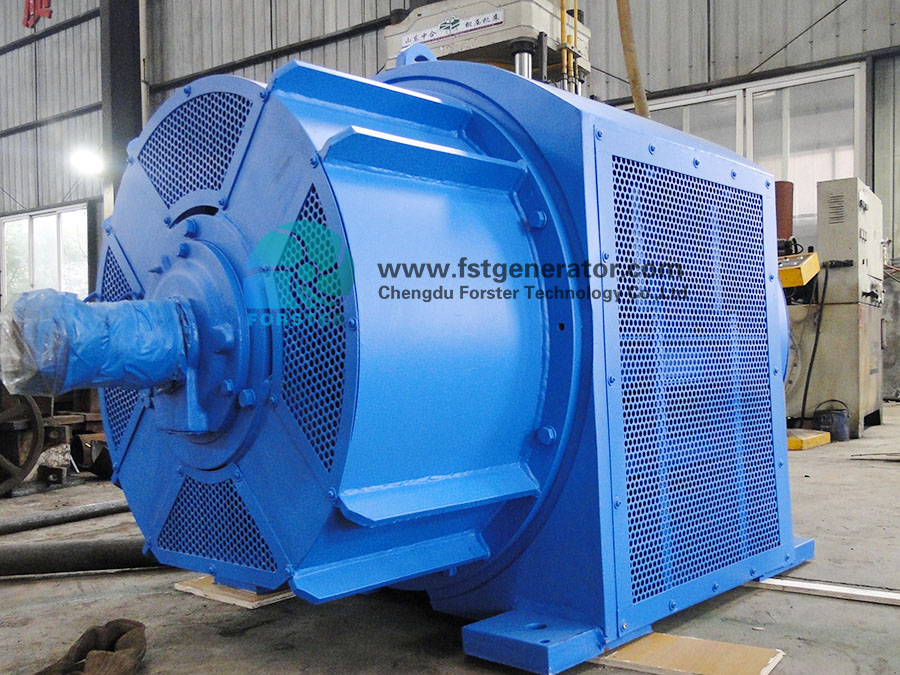
2. Winding and Insulation
This is a highly precise, often automated process:
Coil Winding: CNC winding machines lay conductors into stator slots or around rotor poles with consistent tension, ensuring optimal packing and thermal characteristics.
Insulation: After winding, the entire assembly undergoes VPI. The stator or rotor is placed in a vacuum chamber to remove air, then immersed in insulating resin under pressure. This eliminates voids and creates a robust, thermally conductive insulation barrier.
Curing: The component is oven-cured to harden the resin, forming a solid monolithic structure resistant to vibration and thermal cycling.
3. Rotor Manufacturing and Balancing
The rotor, especially for high-speed turbo-generators, requires extreme precision. After assembly, it undergoes dynamic balancing at high speeds in vacuum chambers to eliminate vibration. Advanced laser alignment and computer-controlled balancing machines ensure smooth operation at rated speeds.
4. Machining and Assembly
CNC machining centers fabricate housings, end shields, and brackets with tolerances within microns. During final assembly, robotic arms often place the stator and rotor, followed by precision bearing installation. Laser alignment tools ensure perfect concentricity between rotor and stator.
5. Vacuum Pressure Impregnation (VPI) and Testing
As a critical technology, VPI is used not just for windings but also for sealing other components. Post-assembly, every generator undergoes rigorous testing:
Electrical Tests: Includes high-potential (hipot) tests for insulation, resistance measurements, and polarity checks.
Performance Tests: The generator is coupled to a motor drive in a test cell to measure output voltage, frequency regulation, efficiency, and temperature rise under load.
Vibration and Noise Analysis: Sophisticated sensors analyze mechanical integrity.
Advanced Technologies and Trends
Additive Manufacturing: 3D printing is used for prototyping complex cooling ducts or lightweight housing components.
Automation and Robotics: Automated guided vehicles (AGVs) move components, while collaborative robots assist in intricate assembly tasks.
IoT and Quality 4.0: Sensors embedded during manufacturing provide data for predictive maintenance and traceability. AI-powered visual inspection detects microscopic defects.
Advanced Cooling Technologies: Manufacturing techniques for direct hydrogen or water cooling systems involve specialized brazing and welding of intricate conductor tubes.
Conclusion
The production of electric generators is a sophisticated blend of traditional precision engineering and cutting-edge automation. The focus on advanced insulation techniques, robotic assembly, and rigorous testing ensures that modern generators meet the demanding requirements of power generation, industrial applications, and renewable energy systems. Continuous innovation in materials and processes drives improvements in power density, efficiency, and reliability, underpinning the global electrical infrastructure.
Post time: Dec-02-2025
