Hydroelectric power stands as a cornerstone of the world’s renewable energy landscape, providing clean, reliable, and cost-effective electricity. However, the success of any hydroelectric project is fundamentally determined long before the first turbine is installed—during the critical phase of site selection. This process is a complex interplay of engineering, environmental science, economics, and social considerations.
The ideal location for a hydroelectric plant is not merely a spot with a lot of water; it is a location that optimally balances a multitude of competing factors to ensure long-term viability, efficiency, and sustainability.
The Fundamental Pillars: Hydrological and Topographical Factors
At its core, hydropower harnesses the energy of flowing water. Therefore, the primary technical considerations are:
Water Availability and Flow Regime: A consistent and substantial water supply is non-negotiable. Engineers conduct detailed hydrological studies to analyze river flow data over many years, assessing seasonal variations, average discharge, and potential for extreme events like floods or droughts. A predictable flow regime ensures stable energy generation.
Head: This refers to the height from which the water falls. A high head, created by a steep gradient or a large dam, creates greater pressure, resulting in more power per unit of water. Sites are categorized as high-head, medium-head, or low-head, each requiring different turbine technologies.
Topography and Geology: The physical landscape is crucial. Narrow, deep valleys with stable, impermeable rock foundations are ideal for constructing large dams and reservoirs. The geology must be able to support the immense weight of the dam and reservoir without risk of leakage, landslides, or seismic activity.
The Human Dimension: Socioeconomic and Political Factors
A technically perfect site is useless if it is socially or politically unfeasible.
Land Use and Resettlement: Reservoir creation often floods large tracts of land, displacing communities, submerging agricultural fields, and sometimes inundating sites of cultural or archaeological significance. Managing the resettlement and compensation of affected populations is one of the most challenging aspects of large dam projects.
Proximity to Demand and Grid Connection: The generated power must be transmitted to where it is needed. A site located far from population centers or industrial areas requires extensive and expensive transmission lines, increasing project costs and energy losses.
Existing Infrastructure and Access: The feasibility of transporting massive construction materials (cement, steel, turbines) to the site is a key logistical concern. Remote locations can drastically increase costs and complexity.
Regulatory and Political Climate: Site selection must navigate a web of local, regional, and national regulations, water rights, and international agreements for transboundary rivers. Political stability and government support are critical for the long-term security of the investment.
The Modern Shift: Embracing Smaller-Scale and Run-of-River Solutions
Recognizing the significant environmental and social challenges of large-scale impoundment dams, the industry is increasingly turning towards alternative models:
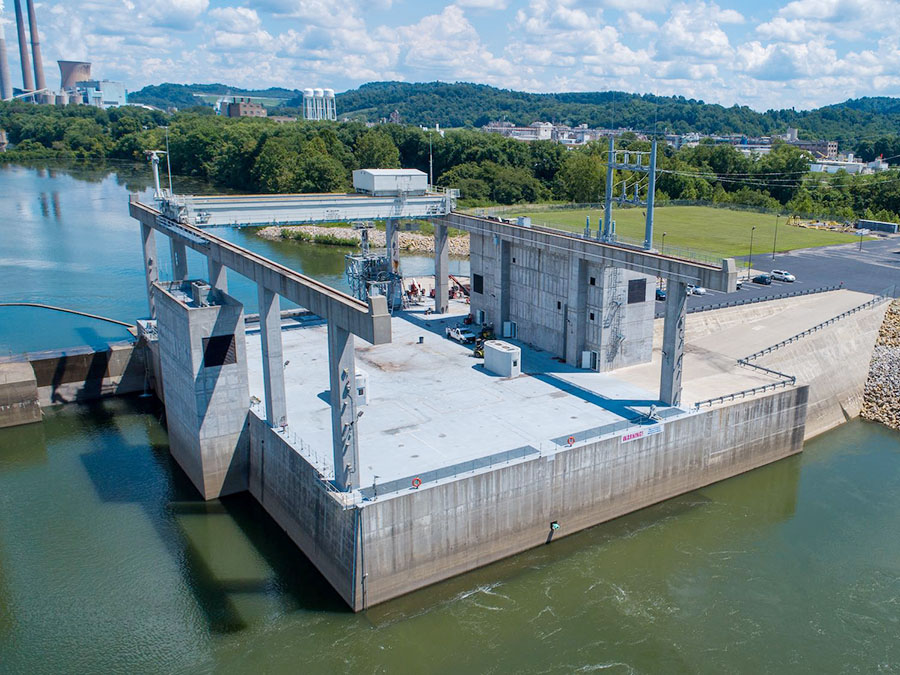
Run-of-River (ROR) Projects: These facilities divert a portion of a river’s flow through a canal or penstock to a powerhouse located downstream, with little to no water storage. They have a much smaller environmental footprint as they do not create a large reservoir and cause minimal disruption to the river’s flow. Their site selection focuses more on flow rate and a sufficient natural gradient rather than topography suitable for a massive dam.
Small and Micro-Hydropower: These decentralized systems are designed for local or community-level power supply. Their site selection is simpler, often utilizing existing weirs, small waterfalls, or irrigation canals, and they avoid many of the large-scale negative impacts.
Conclusion: A Delicate Balancing Act
Selecting a site for a hydroelectric power plant is a multi-disciplinary endeavor that requires a delicate balance. The quest for a powerful head and abundant water must be weighed against the imperative to protect fragile ecosystems and respect human communities. Modern site selection is no longer just an engineering calculation; it is a holistic process that integrates advanced geographical information systems (GIS), profound ecological understanding, and meaningful stakeholder engagement. The most successful and sustainable hydroelectric projects are those born from locations that offer not just energy potential, but a viable path to coexistence with the environment and society they are meant to serve.
Post time: Oct-29-2025
