Choosing the Right Hydropower Solution: A Guide to Harnessing Water Power
Hydropower is one of the world’s oldest and most reliable sources of renewable energy. From powering entire cities to providing electricity for a single home, it offers a clean and efficient way to generate power. However, not all hydropower projects are the same. Selecting the right solution depends on a careful assessment of your resources, needs, and constraints.
Here are the key factors and technology options to consider:
1. Key Decision Factors
A. Hydrological Resource:
Head: This is the vertical height the water falls. Is it High-head (steep mountains, >100m), Medium-head, or Low-head (river with a gentle slope, <10m)?
Flow Rate: What is the volume of water available per second (m³/s)? Is it consistent year-round or seasonal?
B. Energy Needs and Scale:
Large-Scale (Utility): Powering thousands of homes, requiring large dams and reservoirs.
Small-Scale (Community/Micro): Powering a village, a factory, or a small town.
Mini/Micro/Pico-Hydropower: Powering a single home, farm, or small business.
C. Environmental and Social Impact:
Run-of-River: Diverts a portion of a river’s flow with minimal storage, reducing habitat disruption compared to large dams.
Dam with Reservoir: Creates a large storage lake, which can flood land, displace communities, and alter ecosystems, but provides energy storage and reliability.
Fish Passage: Solutions like fish ladders must be considered to protect aquatic life.
D. Economic Viability:
Capital Cost: Large dams are extremely expensive. Micro-hydro systems have a lower upfront cost.
Installation & Maintenance: Simpler systems are easier and cheaper to maintain.
Return on Investment (ROI): How long will it take for the energy savings to pay for the system?
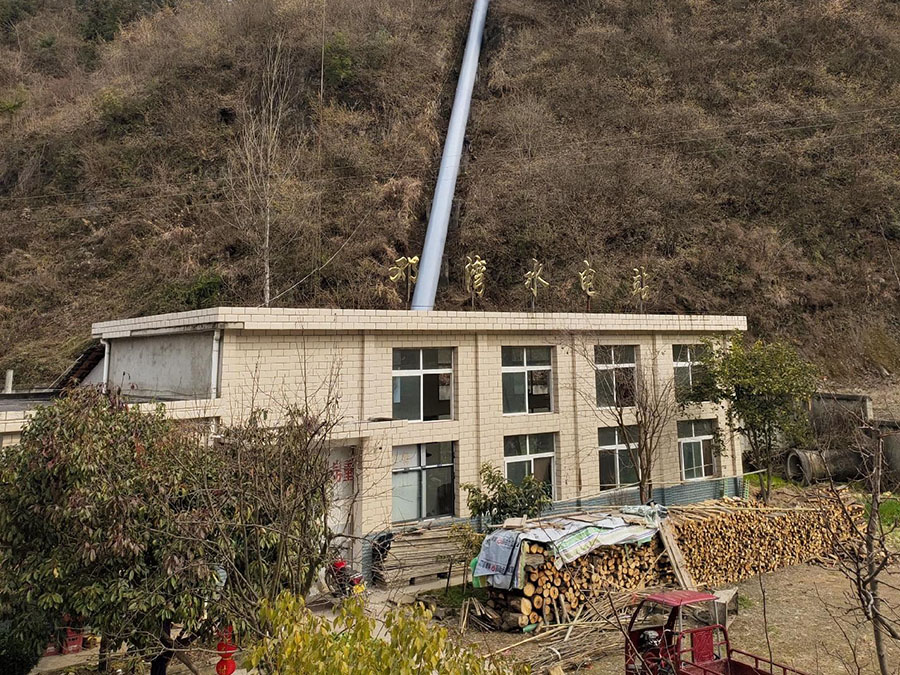
2. Hydropower Technology Options
The type of turbine you choose is directly linked to your site’s head and flow.
| Technology | Best For | Head | Flow | Key Characteristics |
|---|---|---|---|---|
| Pelton Turbine | Very High Head, Low Flow | >100m | Low | An impulse turbine that uses jets of water. Very efficient for mountainous areas. |
| Turgo Turbine | High Head, Medium Flow | 50m – 250m | Medium | Similar to Pelton but handles a higher flow rate in a more compact design. |
| Francis Turbine | Medium to High Head, Medium to High Flow | 40m – 400m | Medium-High | A versatile reaction turbine, the most common type worldwide. Used in everything from large dams to smaller setups. |
| Kaplan Turbine | Low Head, High Flow | < 40m | High | An adjustable-blade reaction turbine, like a ship’s propeller. Ideal for slow-moving rivers and canals. |
| Crossflow Turbine | Low to Medium Head, Low Flow | 5m – 200m | Low | A simple, durable impulse turbine often used in small-scale and micro-hydro projects. |
3. The Decision-Making Process
Site Assessment: This is the first and most critical step. Accurately measure the head and flow.
Define Your Goal: Are you aiming for grid-scale power, off-grid community electrification, or private use?
Evaluate Environmental & Permitting Hurdles: A run-of-river micro-hydro project will face fewer regulatory challenges than a large dam.
Select the Technology: Use your head and flow data to choose the most efficient turbine from the table above.
Conduct a Feasibility Study: A detailed analysis of costs, energy output, and ROI is essential before committing.
Conclusion
There is no one-size-fits-all hydropower solution. A remote Himalayan village might find a Pelton or Turgo turbine perfect for its high-head streams. In contrast, a lowland European community might opt for a Kaplan turbine in a local river.
Post time: Oct-23-2025
