The construction of a hydroelectric dam is one of humanity’s most ambitious and complex undertakings, a testament to engineering prowess and a commitment to sustainable energy. These colossal structures do more than just hold back water; they transform the power of flowing rivers into clean electricity, lighting cities and powering industries. The process of building one is a multi-stage symphony of geology, civil engineering, and environmental science.
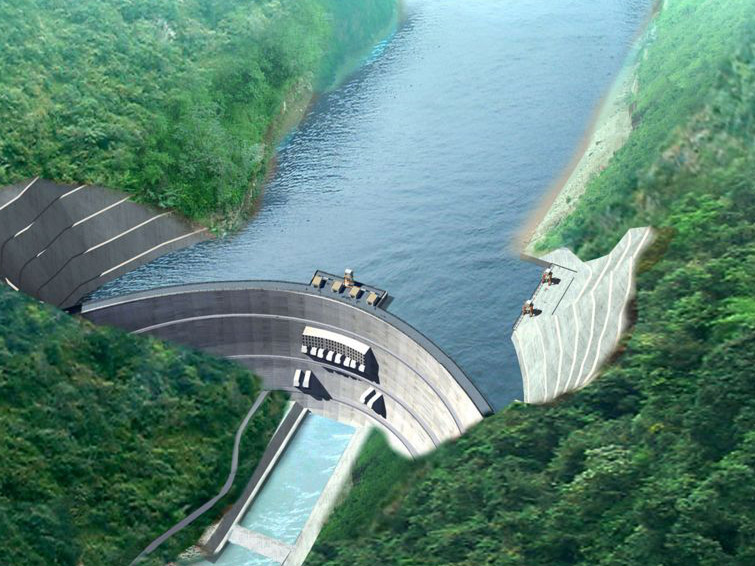
Phase 1: The Blueprint – Planning and Feasibility
Long before the first shovel hits the ground, years are dedicated to meticulous planning. Engineers, geologists, and environmentalists conduct extensive studies.
Site Selection: The ideal location combines a strong, reliable water flow with a suitable topography, such as a deep valley, to create a large reservoir. The underlying rock must be stable enough to support the immense weight of the dam.
Environmental and Social Impact Assessment (ESIA): This critical step evaluates the potential consequences. It addresses the displacement of communities, the impact on local ecosystems and fish migration, and the preservation of historical or archaeological sites. Mitigation strategies, such as building fish ladders or creating new wildlife habitats, are developed at this stage.
Design and Engineering: The type of dam is chosen based on the site’s characteristics. A common design is the gravity dam, a massive, straight wall of concrete that relies on its own weight to resist the water pressure. Another is the embankment dam, built from compacted earth and rock, often used for broader valleys.
Phase 2: Laying the Foundation – Site Preparation and Diversion
With a plan in place, the physical transformation of the landscape begins.
Site Preparation: Forests are cleared, and the construction area is made accessible by building roads and bridges. The dam site itself is excavated down to solid bedrock to provide a secure foundation.
River Diversion: A crucial step to create a dry work area. This is often achieved by constructing temporary tunnels or channels around the side of the construction site to divert the river’s flow. Cofferdams—temporary, watertight enclosures—are built to protect the main construction area from the diverted river.
Phase 3: The Rise of a Giant – Main Construction
This is the most visible and intensive phase, involving the movement of immense quantities of material.
Concrete Pouring (for Gravity Dams): For massive concrete dams like the gravity type, construction happens in individual, interlocking blocks. Cooling pipes are embedded in the concrete to manage the heat generated during curing, preventing cracks that could compromise the structure’s integrity. This process is continuous and can take several years.
Embankment Construction (for Earth/Rock-fill Dams): Layers of impermeable clay and compacted rock are systematically placed and rolled to create a dense, watertight core. This method requires a constant supply of materials from nearby quarries.
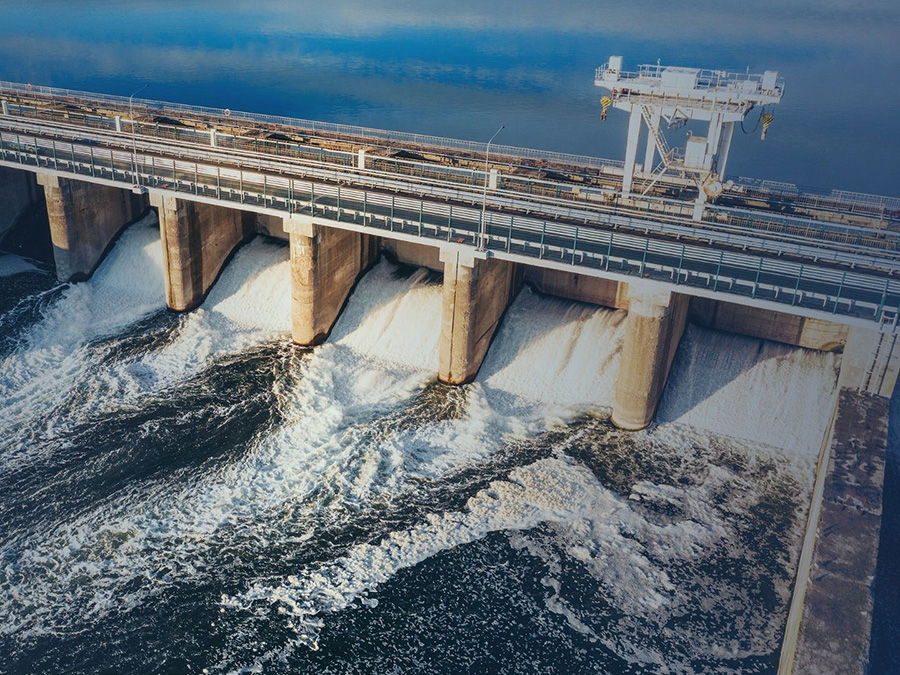
Spillway Construction: Simultaneously, the spillway, the dam’s essential safety valve, is built. This structure allows excess water to bypass the dam safely during heavy rainfall, preventing the reservoir from overtopping and causing a catastrophic failure.
Phase 4: The Heart of the System – Powerhouse Installation
As the dam rises, work begins on the powerhouse.
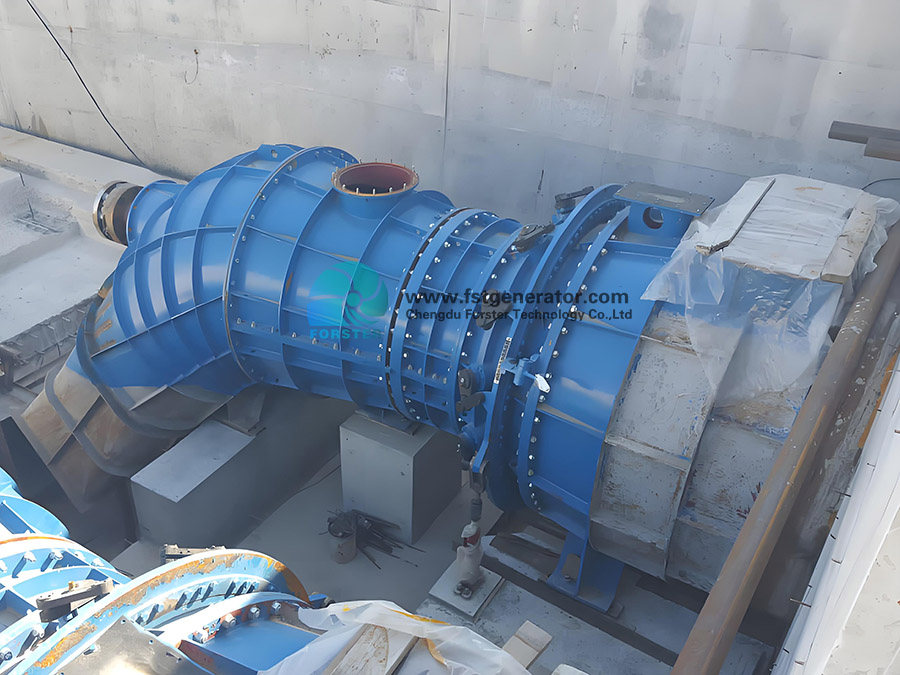
Penstocks: Large steel pipes are installed through or around the dam, designed to channel water from the reservoir with tremendous force.
Turbines and Generators: Inside the powerhouse, the penstocks direct water onto the blades of giant turbines, causing them to spin. These turbines are connected to generators, which convert the mechanical energy into electrical energy. The most common type is the Francis turbine, which is efficient for a wide range of water flows and pressures.
Phase 5: Impoundment and Commissioning
Once the main structure is complete and the turbines are installed, the moment of truth arrives.
Impoundment: The diversion tunnels are gradually closed, and the river begins to fill the reservoir behind the dam. This process is slow and carefully monitored, as the rising water puts pressure on the new structure for the first time.
Commissioning: As the reservoir reaches its operating level, water is released through the penstocks to spin the turbines. The generators are synchronized with the electrical grid, and the hydroelectric plant officially begins supplying power.
A Legacy of Power and Responsibility
The completion of a hydroelectric dam is a monumental achievement. It provides a long-term, renewable source of energy, reduces dependence on fossil fuels, and can offer ancillary benefits like flood control, irrigation, and recreation.
However, it is not without significant trade-offs. The environmental and social impacts—from altered ecosystems to displaced communities—are profound and lasting. Therefore, modern dam construction is as much about responsible planning and mitigation as it is about engineering excellence. A successfully built hydroelectric dam stands as a symbol of our ability to harness nature’s power, reminding us of the delicate balance between progress and preservation.
Post time: Oct-21-2025
