Pelton turbines, with their distinctive buckets and high-speed operation, are the workhorses of high-head hydropower. Their efficiency and durability are legendary, but like any precision machinery, their performance and lifespan are directly tied to the quality of their daily care. A proactive and systematic daily maintenance routine is not just a recommendation; it is the cornerstone of reliable, safe, and profitable power generation.
This article outlines the essential daily maintenance checks and tasks for a Pelton Turbine Hydropower Plant.
The Philosophy: Prevention is Better than Cure
The primary goal of daily maintenance is to identify and address minor issues before they escalate into major failures. A small leak, a slight vibration, or a faint unusual sound can be the first warning of a problem that, if left unattended, could lead to catastrophic damage and extended, costly downtime.
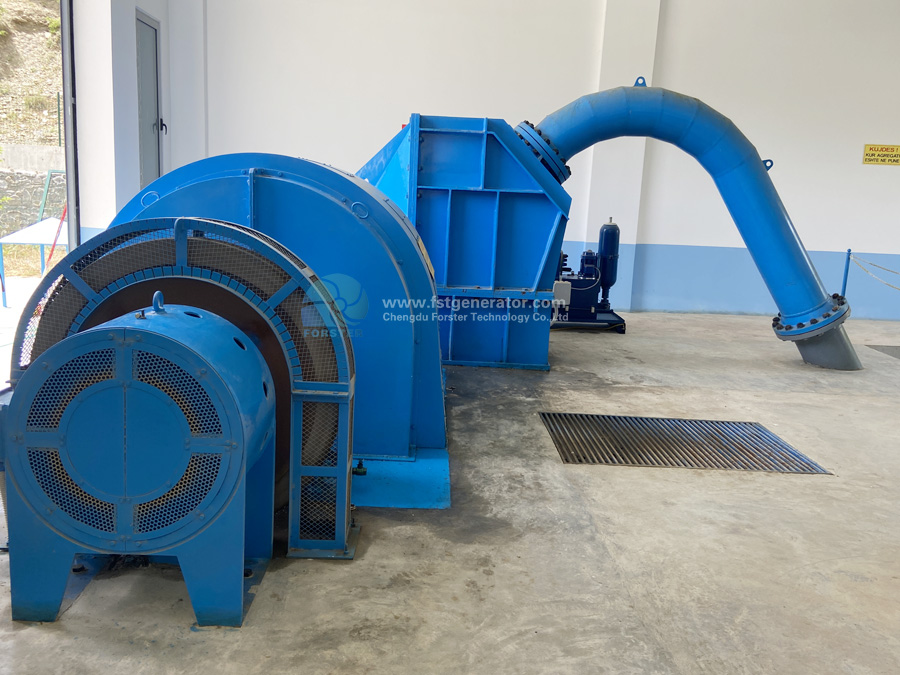
Daily Maintenance Checklist
The daily routine should be a structured visual and operational inspection, typically performed at the start of each shift. Maintenance personnel should follow a detailed checklist and log all observations.
1. Visual Inspection (During Operation – From a Safe Distance):
Turbine Casing and Inspection Windows: Check for any signs of water leakage from the casing seals or gaskets. Ensure inspection windows are clean and intact.
Spear Valves and Nozzles: Look for water spraying from around the nozzle assembly or spear valve stem, indicating worn seals. The jet should be a solid, sharp pencil-like stream.
Governor and Actuator Linkages: Visually inspect for any loose connections, leaks from hydraulic cylinders, or unusual movements.
Generator and Coupling: Check the generator for any signs of overheating and listen for unusual noises. Observe the coupling for any signs of misalignment.
Drains and Sumps: Ensure that floor drains are clear and that the pump in the turbine pit sump is operating correctly to prevent water accumulation.
2. Auditory and Vibration Monitoring:
Unusual Noises: Listen carefully for any sounds that deviate from the normal steady hum. Clicking, grinding, or scraping noises from the turbine or generator bearings are critical red flags.
Excessive Vibration: Feel for any abnormal vibrations by placing a hand on stable parts of the turbine casing or bearing housings (only if safe to do so). A sudden increase in vibration often indicates imbalance, misalignment, or bearing wear.
3. Operational Data Logging and Analysis:
Modern plants rely on data. Operators must meticulously record key parameters and compare them to baseline readings.
Bearing Temperatures: Use infrared thermometers or check installed sensors for the temperatures of the turbine and generator bearings. A rising temperature trend is a clear sign of lubrication failure or bearing degradation.
Oil Levels and Condition
Governor Oil: Check the oil level in the governor tank. Look for any signs of cloudiness (indicating water contamination) or discoloration.
Bearing Lubrication: For oil-lubricated bearings, check the oil level in the sight glass. For grease-lubricated bearings, note if an automatic lubricator needs a refill.
Pressure Gauges: Record the pressure of the governor hydraulic system and any other relevant pressure readings.
Performance Parameters: Note the head (water pressure), flow rate, generator output (MW), and speed (RPM). A drop in efficiency for the same head and flow can indicate wear on the buckets or nozzle.
4. Specific Component Checks:
The Jet and Deflector: Ensure the jet deflector (if equipped) operates smoothly and quickly when tested. Its function is critical for rapid load rejection.
The Needle Spear: Observe the movement of the spear valve for smooth operation without jerking, which could suggest issues with the governor servo.
The Pelton Runner: During a scheduled shutdown, if inspection windows allow, visually check the runner buckets for any signs of cracking, pitting (from cavitation), or wear, especially at the splitter tip. Note: This is often a weekly or monthly task, but any performance anomaly should prompt an immediate visual check.
Post time: Oct-14-2025
