When we think of hydropower plants, we often picture massive dams, powerful turbines, and generators humming with energy. However, there’s a silent, stationary sentinel at the very front line of this operation, working tirelessly to protect the entire system: the Trash Rack.
What is a Trash Rack?
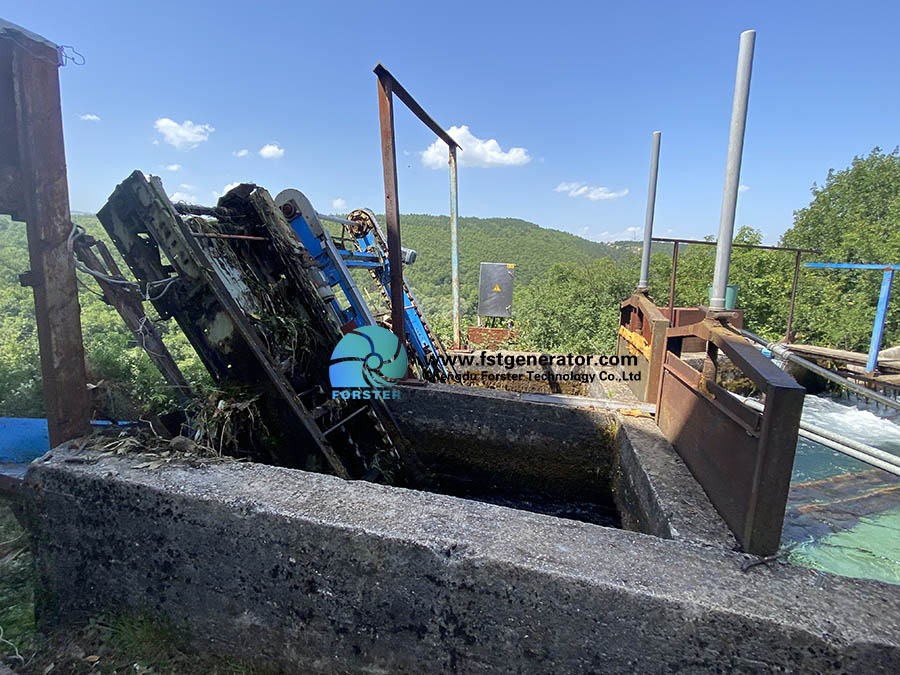
A trash rack is a robust screen or barrier, typically constructed from steel bars, installed at the water intake of a hydropower plant. Positioned before the water enters the penstock (the large conduit leading to the turbines), its primary function is as straightforward as its name: to rack, or collect, trash.
This “trash” isn’t just litter; it encompasses all sorts of floating and submerged debris carried by the river, including:Logs and branches,Leaves and aquatic weeds,Plastic waste and other human-made debris,Ice blocks during winter
Why is it So Important?
The trash rack is not merely a filter; it is a critical component for the safety, efficiency, and longevity of a hydropower plant.
Protecting Turbine Blades: This is its most vital role. Debris that passes through the trash rack can cause catastrophic damage to the high-speed, precision-engineered turbine blades. Even a small piece of wood or plastic can lead to imbalances, cracks, or complete failure, resulting in costly repairs and extended downtime.
Ensuring Operational Efficiency: A clogged or damaged turbine cannot operate at peak efficiency. By preventing debris from entering, the trash rack helps maintain optimal water flow and pressure, ensuring maximum power generation.
Preventing Blockages: Large objects can jam the narrow guide vanes and other components within the turbine and penstock, leading to a complete shutdown of the unit. The trash rack acts as the first line of defense against such blockages.
Reducing Maintenance Costs: By intercepting debris early, trash racks significantly reduce the wear and tear on downstream equipment, lowering the frequency and cost of maintenance for more complex and expensive machinery.
The Challenge: Accumulation and Maintenance
The very job of the trash rack creates its own challenge: the accumulated debris can eventually clog the rack itself. A heavily clogged trash rack restricts water flow, creating a significant pressure differential across the screen. This “head loss” directly translates to a loss of generating capacity.
This is where its active partner, the Trash Rake, comes into play. A trash rake is a specialized vehicle (often tracked or on a barge) with a mechanical claw that is used to periodically clean the trash rack, lifting the collected debris out of the water for disposal.
Design and Innovation
Trash racks are not one-size-fits-all. Their design varies based on the plant’s location and the type of debris encountered.
Bar Spacing: The spacing between the bars is carefully calculated to block harmful objects while minimizing flow restriction.
Materials: They are often made from corrosion-resistant metals like stainless steel to withstand constant immersion in water.
Automation: Modern plants feature automated trash raking systems and monitoring sensors that detect pressure differentials, signaling when cleaning is required without manual intervention.
Conclusion
While it may lack the moving grandeur of a turbine or the imposing scale of a dam, the trash rack is an indispensable hero in the world of hydropower. It stands as a simple yet brilliant solution to a complex problem, ensuring that the clean, renewable energy flowing from our rivers does so reliably and efficiently. The next time you benefit from hydroelectric power, remember the unassuming trash rack—the silent guardian keeping the lights on.
Post time: Sep-29-2025
