Precision measured in microns ensures power delivered in megawatts.
In the world of renewable energy, hydropower remains a cornerstone of reliable electricity generation. Behind the massive turbines and generators that harness water power lies an unsung hero: Computer Numerical Control (CNC) machining. This advanced manufacturing technology has become indispensable in producing the complex components that make hydropower possible, from giant turbine runners to precision shafts and bushings.
CNC machines can achieve tolerances as tight as 4 micrometers—almost the limit required for critical hydropower components—ensuring seamless assembly and optimal performance of equipment operating under immense hydraulic pressures.
01. Revolutionizing Turbine Component Production
The heart of any hydropower system is its turbine, and CNC machining has transformed how these critical components are manufactured. Water turbine runners, particularly those for Francis and Kaplan turbines, feature complex, sculptural surfaces that must adhere to precise hydrodynamic profiles to maximize energy conversion efficiency.
Traditional manufacturing methods involving “sand casting – manual grinding – dimensional template inspection” could not effectively guarantee the accuracy and quality of these complex surfaces.
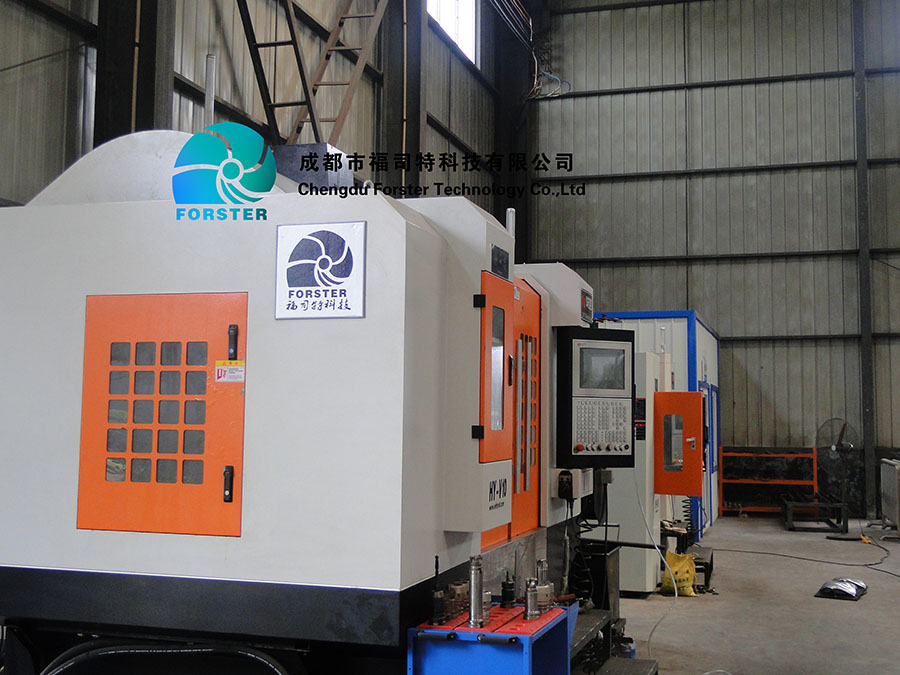
The introduction of five-axis simultaneous CNC machining has addressed these limitations. This technology enables the complete machining of large turbine blades in a single setup, maintaining surface profile accuracy within 0.02mm/m—a critical specification for ensuring turbine efficiency and operational stability.
For massive components like turbine cases and shafts, which can reach diameters of 42 feet and weights exceeding 350 tons, CNC machines provide the only feasible manufacturing method. Their capability to handle such oversized components while maintaining precision makes them indispensable in hydropower manufacturing.
02. Beyond Turbines: Comprehensive Hydropower Applications
The applications of CNC machining in hydropower extend far beyond turbine manufacturing. The technology plays a vital role in producing dams and power station gates, which require precise dimensional control to function properly under significant water pressure.
Companies like Voith Hydro have standardized on CNC platforms across their manufacturing facilities, creating a unified production system that allows operators to efficiently manage multiple machines. This standardization has significantly reduced maintenance times while improving manufacturing flexibility.
The technology also enables high-precision maintenance and repair of existing hydropower equipment. Specialized CNC machines can restore worn components to their original specifications, extending service life and avoiding the cost of complete replacements.
03. Technical Capabilities Driving Hydropower Advancement
The evolution of CNC technology has directly enabled improvements in hydropower efficiency and reliability. Multi-axis CNC machining allows manufacturers to produce components with complex geometries that would be impossible with conventional methods.
Modern CNC systems incorporate simulation technologies that create digital twins of the machining process. These simulations identify potential collisions between tools, workpieces, and fixtures before actual cutting begins, preventing costly errors and reducing setup time.
Chinese manufacturers have made significant strides in this field. Companies like Kede CNC have developed five-axis vertical machining centers including the KMC1250 model specifically designed for hydropower component manufacturing.
These advanced machines can perform both manufacturing and high-precision repair operations on large valves, gates, pressure steel pipe bifurcations, and other hydropower equipment.
The integration of CAD/CAM systems with CNC machining has streamlined the production process. Design data flows seamlessly from engineering to manufacturing, reducing translation errors and accelerating production timelines.
This digital thread is particularly valuable in hydropower, where most components are custom-made for specific projects rather than mass-produced.
Post time: Sep-28-2025
