For millions of families worldwide, particularly in remote, hilly, or off-grid areas, a constant and reliable supply of electricity remains a distant dream. Power outages, unstable grids, or the complete absence of power lines stifle education, hinder economic activities, and impact the overall quality of life. While solar panels and wind turbines are popular solutions, another powerful yet often overlooked option exists: micro-hydro power.
Micro-hydro power is a small-scale electricity generation system that utilizes the natural flow of water to produce energy. It is an elegant, sustainable, and highly effective method for solving household electricity shortages where the right geographical conditions are present.
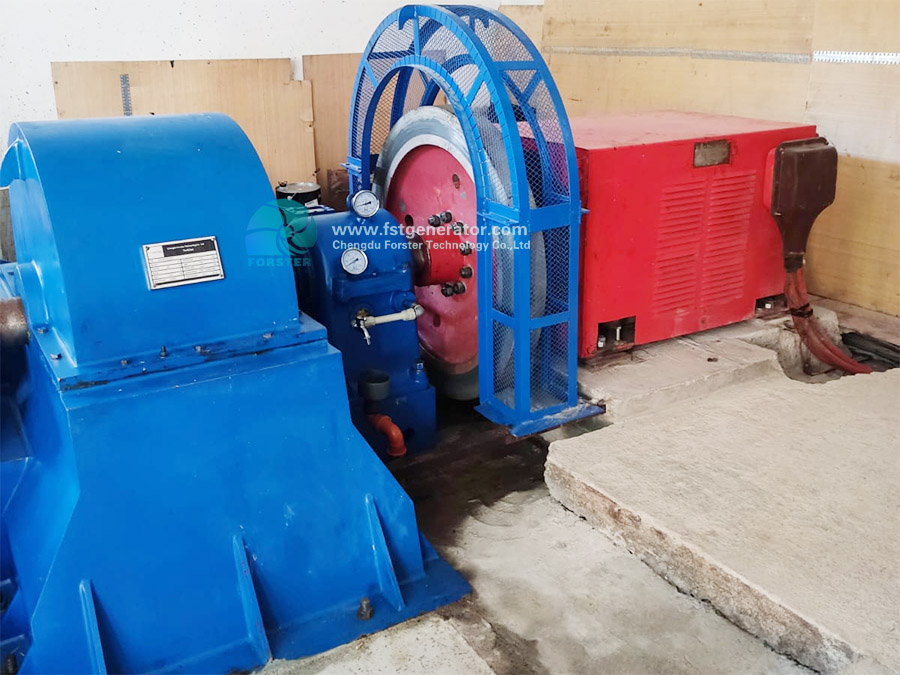
How Does a Micro-Hydro System Work?
The principle is simple and has been used for centuries, now modernized with efficient technology. A micro-hydro system typically consists of:
Diversion (Weir): A small structure built in a stream or river to divert a portion of the water.
Penstock: A pipeline that channels the diverted water from a higher elevation to a lower one. The vertical drop (called “head”) and the volume of water (“flow”) are the two critical factors determining the system’s power potential.
Turbine: The flowing water from the penstock spins a turbine, converting the water’s kinetic energy into mechanical energy.
Generator: Connected to the turbine, the generator converts this mechanical energy into electrical energy.
Controller/Regulator: This device manages the electricity produced, ensuring a stable voltage and frequency for household use.
Battery Bank (Optional): For systems not connected to the grid, excess electricity can be stored in batteries for use when demand exceeds generation.
Inverter: Converts the direct current (DC) electricity from the generator or batteries into alternating current (AC) used by standard home appliances.
Why Choose Micro-Hydro Power for a Household?
For suitable locations, micro-hydro offers distinct advantages over other renewable sources:
Constant and Reliable Power: Unlike solar and wind, which are intermittent (dependent on the sun shining or the wind blowing), a flowing stream or river provides a continuous source of energy 24 hours a day, 7 days a week. This guarantees a stable and predictable power supply.
High Efficiency and Power Output: A small micro-hydro system can generate a significant amount of power in a compact setup, often much more consistently than a similarly priced solar or wind array.
Long Lifespan and Low Maintenance: Well-designed systems are incredibly robust and can operate for decades with minimal maintenance, primarily involving keeping the intake filter clear of debris.
Cost-Effective: Once installed, the “fuel” (flowing water) is free. The long-term operational costs are very low, making it an economically sound investment over time.
Environmentally Friendly: It produces no greenhouse gases or pollution during operation and has a minimal ecological footprint if designed responsibly.
Steps to Implementing a Micro-Hydro System
Site Assessment: This is the most crucial step. You need to measure the head (vertical drop) and the flow (volume of water per second). These two measurements will determine the potential power output of your site.
Energy Audit: Calculate your household’s daily electricity consumption to size your system correctly.
System Design and Component Selection: Choose the appropriate turbine type (e.g., Pelton wheel for high head, Kaplan turbine for low head and high flow), generator, piping, and control electronics based on your site’s data and power needs.
Permits and Permissions: Check local regulations and obtain any necessary permits for water diversion and construction.
Installation: This involves civil works (building the diversion, laying the penstock) and setting up the mechanical and electrical components. Professional help is highly recommended for this stage.
Connection and Maintenance: Connect the system to your home’s electrical panel and establish a routine maintenance schedule.
Conclusion
For families struggling with energy poverty in areas with access to flowing water, micro-hydro power presents a powerful solution. It transforms a natural, relentless force into a clean, dependable, and sustainable source of electricity. By investing in this technology, households can achieve energy independence, power their homes, run small businesses, and significantly improve their standard of living, all while protecting the environment for future generations. It is a testament to the fact that sometimes, the most effective solutions are found in the timeless flow of nature itself.
Post time: Sep-18-2025
