Micro hydropower refers to small-scale hydroelectric systems, typically producing up to 100 kW of electricity. These systems use the natural flow of water in rivers, streams, irrigation canals, or water supply pipelines to generate clean and reliable energy. Compared with large hydropower plants and other renewable technologies, micro hydropower equipment offers several significant advantages.
1. Renewable and Environmentally Friendly
Micro hydropower uses flowing water as its energy source, which is renewable and naturally replenished through the water cycle. Unlike fossil fuels, it produces no greenhouse gas emissions during operation. In addition, most micro hydro systems are run-of-river designs, meaning they require little or no water storage and cause minimal impact on local ecosystems.
2. High Energy Conversion Efficiency
Among renewable energy technologies, hydropower has one of the highest energy conversion efficiencies, often exceeding 80–90%. Micro hydropower equipment can continuously generate electricity as long as water is flowing, providing stable output compared to intermittent sources like solar and wind power.
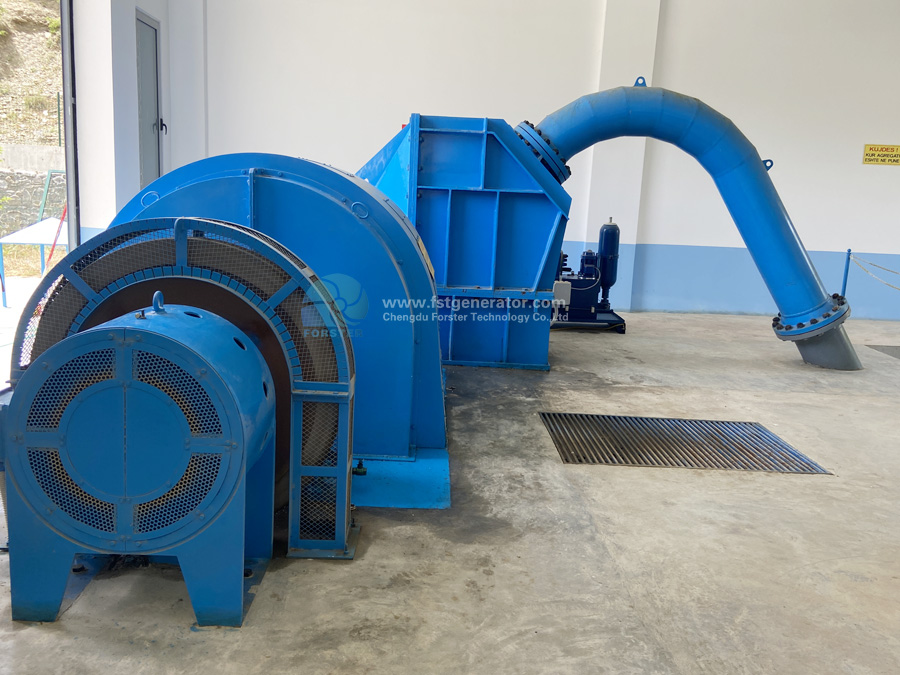
3. Reliable and Continuous Power Supply
Micro hydro systems can operate 24 hours a day, making them especially suitable for remote or off-grid areas. Unlike solar or wind energy, power generation does not depend on weather conditions such as sunlight or wind speed, as long as water flow is available.
4. Low Operating and Maintenance Costs
Once installed, micro hydropower equipment requires relatively low maintenance. The technology is mature, durable, and designed for long service life. Operating costs are minimal because no fuel is required, and routine maintenance is usually simple and inexpensive.
5. Flexible Installation and Wide Application
Micro hydropower systems can be installed in a wide variety of locations, including mountain streams, small rivers, irrigation channels, water treatment plants, and industrial water outlets. Different turbine types—such as Pelton, Francis, crossflow, and propeller turbines—can be selected based on head and flow conditions, making the technology highly adaptable.
6. Suitable for Rural and Off-Grid Areas
Micro hydropower is particularly beneficial for rural communities and isolated regions where access to the main power grid is limited or unavailable. It can provide reliable electricity for homes, schools, clinics, farms, and small businesses, supporting local economic development and improving living standards.
7. Long Service Life and Stable Investment
Micro hydropower equipment is known for its long lifespan, often exceeding 20–30 years with proper maintenance. This long operational life, combined with stable power generation, makes micro hydropower a cost-effective and sustainable energy investment over time.
Conclusion
Micro hydropower equipment combines high efficiency, environmental protection, reliability, and economic benefits. With its flexible installation options and low operating costs, it is an ideal clean energy solution for small-scale power generation, especially in rural and remote areas. As global demand for renewable energy continues to grow, micro hydropower will play an increasingly important role in sustainable energy development.
Post time: Dec-22-2025
